
The Goat
Reprinted in KGB LitMag · July 10, 2020
Fiction · Essays · Criticism
Fiction, essays, and criticism exploring the ways we imagine, remember, and make meaning.
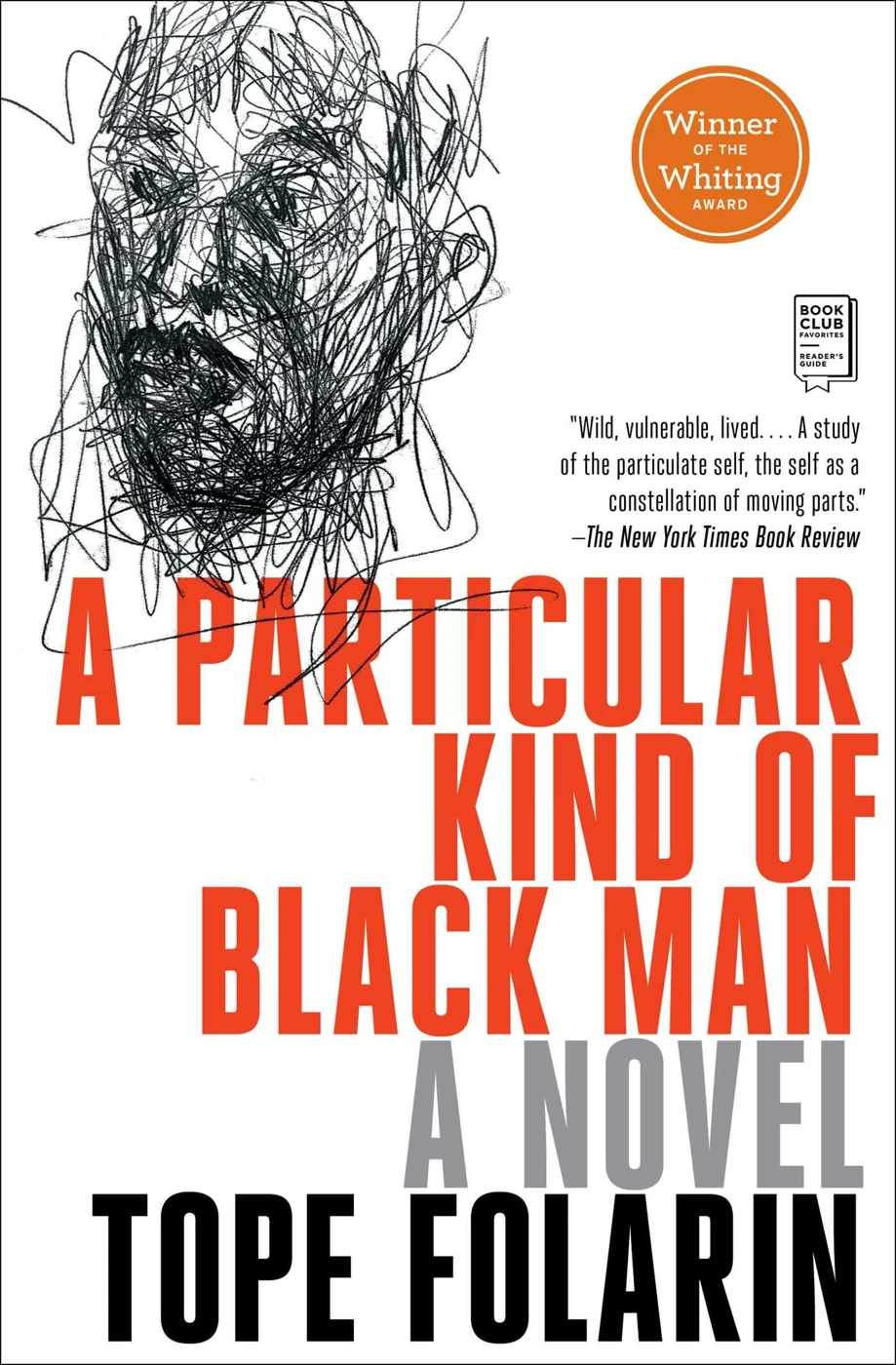
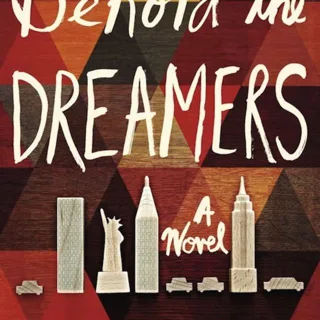
The debut novel · Simon & Schuster · 2019
A Nigerian-American family in small-town Utah. A son searching for belonging. A novel about memory, migration, and the stories through which we make ourselves.
“Wild, vulnerable, lived…”
The New York Times Book Review
Selected writing for The Atlantic, The Georgia Review, The New York Times, The Drift, and elsewhere.
39 entries
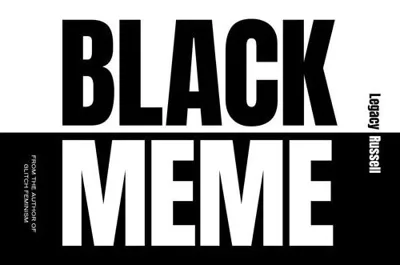
At the beginning of the 21st century, one book mapped, with uncanny accuracy, where American literature was headed.
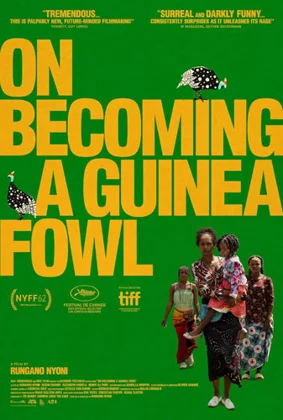
One of the most arresting images in On Becoming a Guinea Fowl … arrives in the opening seconds.
Whenever I read a novel about immigration, I recall a scene from the 2006 Italian film Nuovomondo (released as Golden Door in English).
It is a strange thing to visit a museum these days—especially in Washington, D.C. I have restlessly visited galleries in this town for almost twenty years; in fact, I moved here largely because of the city’s large network of free cultural institutions.
Almost two decades ago, while I was trying to find my footing as a writer—roving between the provinces of prose and poetry—I picked up “The Poetry Home Repair Manual” by Ted Kooser, the Pulitzer Prize-winning writer who served as poet laureate of the United States from 2004 to 2006.
In the summer of 2018, I found myself enraptured by the television show Pose, a first-of-its-kind drama that featured a cast of Black and brown transgender performers.
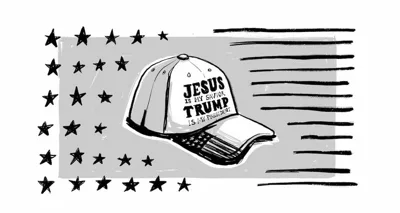
“Trump is unique among modern American presidents for his seeming lack of deep religious orientation,” the CNN correspondent MJ Lee wrote in 2017.
For the past few years, I have been engaged in an intense argument with myself. This argument reached a climax last May, a few moments after I saw the film I Saw the TV Glow at the E Street Cinema in downtown Washington, D.C.
Last November I tuned in to the latest episode of the newsmagazine 60 Minutes with great interest. I’ve been watching since I was a child—back then it was our weekly family tradition…
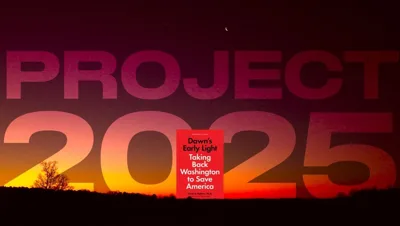
It is not often that a volume of policy recommendations makes national news. Yet this is what happened during the 2024 election cycle in the United States, when the innocuously named Project 2025…
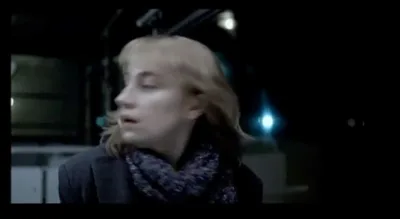
What I remember is the train rushing suddenly out of the darkness into another kind of darkness — a lighter darkness, perhaps, studded with pinpricks of yellow and red from shimmering buildings and passing cars, but darkness all the same.
My immigrant parents—my father especially—are ardent Christians. As such, my childhood seemed to differ dramatically from the glimpses of American life I witnessed at school or on television.
In July of this year, a U.S.-based company called CrowdStrike released an update for its widely used cybersecurity software, inadvertently triggering a massive system crash.
To tell a story is to place a frame around wayward events. The storyteller points to scenes unfolding within the frame and says, This is important. The implication is that what transpires beyond those borders is less consequential, or not so at all.
In the wake of Bill Clinton’s presidential victory in 1992, a new genre of media—spanning literature, cinema, and television—emerged that sought to capture the energy of his campaign, the hope his election engendered, and the inevitable clash between the poetry of campaigning and the prose of governance.
By way of explaining the metaphor that serves as the title of his latest book, “The Black Box,” the Harvard scholar Henry Louis Gates Jr. transcribes a conversation he had with his son-in-law after the birth of his granddaughter 10 years ago:
In 2015, the Nobel Prize–winning novelist J. M. Coetzee published a book called The Good Story that he co-authored with a clinical psychologist named Arabella Kurtz. The book is essentially a conversation between Coetzee and Kurtz about the origins and social function of storytelling.
Justin Torres’s debut novel, We the Animals, quickly became a cultural phenomenon when it was published in 2011, the kind of novel that appeared on social-media feeds and celebrity reading lists.
Probably the most significant moment in my literary life — indeed, one of the most significant moments in my life — is the time my first-grade teacher introduced me to the poet Phillis Wheatley.
In May, after months of negotiations, the Writers Guild of America announced a strike against the major Hollywood studios. Among the issues that the writers are concerned with is how artificial intelligence….
For the past three years, I have taught creative-writing courses at Georgetown University, and in that time, I have come to accept something I initially found strange:
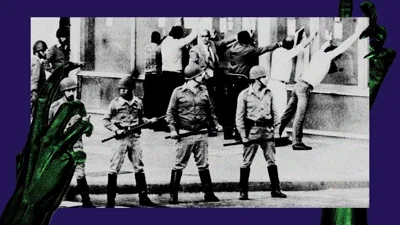
In 1976, the Argentine armed forces staged a coup against the president of Argentina, Isabel Perón. In short order, the military installed a junta that suspended political parties and various government functions, aggressively pursued free-market policies…
Perhaps the most painful moment following the death of a loved one is the split second after you reflexively pick up your phone to give them a call, or the instant after you tuck away an anecdote to share the next time you see them.
Two new literary genres emerged during the opening weeks of the pandemic. The first, the pandemic journal, proliferated almost as quickly as the virus that kept millions of us locked inside;
Contemporary novelists have adopted an intriguing strategy to counteract the waning cultural interest in literary fiction: They depict what a camera can’t—or won’t.
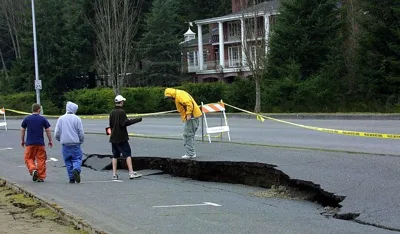
Ten years ago I was sitting on my couch and thumbing through a novel when I felt it shift beneath me. For a moment I thought I’d somehow moved the couch even though I’d been lying perfectly still.
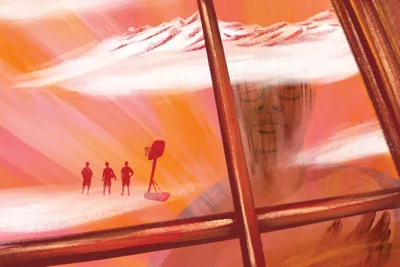
About three months into the pandemic, I found myself standing at the window of my condo near downtown Washington, D.C., cradling my newborn. Outside, the sun was rising.
One of the immediate casualties of Trump’s rise to power, or so we were constantly told, was the truth. Scores of pundits appeared on television and discussed Trump’s habit of obscuring or ignoring the truth altogether.
Quick: What names come to mind when you hear the term “autofiction”? Let me guess, you’re probably thinking about Rachel Cusk, Karl Ove Knausgaard, Ben Lerner, and Sheila Heti, among a few others.
At night, my gums swelled, always soon after dinner. I knew something was wrong with my teeth, but at the age of 27, I didn’t have dental insurance.
At one point in Staples’s “This Town Sleeps,” the 20-something narrator, Marion Lafournier, recalls: “When I was in middle school Ojibwe class, I first learned the concept of having an Indian name. Or spirit name.
When I was about six years old my father told me a fantastic, utterly incredible story. He said that when he was about six, maybe a bit older, he ventured into a small stand of woods…
A matatu, or taxi van, is traveling from the big city to a much smaller one. There are six people inside. They have known each other for just a few hours, but now they are something like family.
Donald Trump’s election victory has prompted many Americans to reflect on what his presidency will mean for them.
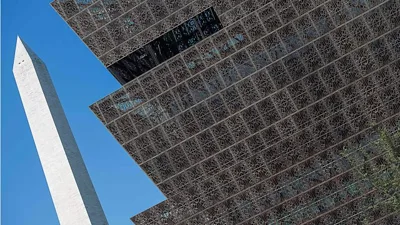
The first National Museum of African American History has opened in Washington, more than 100 years after it was first proposed. Writer Tope Folarin visits the museum and reflects on its impact.
I didn’t know much about Robert Irwin’s work when I wandered into the Hirshhorn Museum and Sculpture Garden a few weeks ago.
Each of the 5 shortlisted authors for Caine Prize for African Writing share their stories and perspectives from America via Nigeria, Somalia & Kenya, Zimbabwe & South Africa.
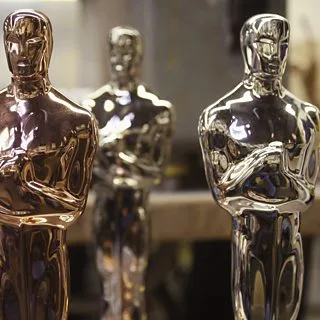
On the eve of the Oscars, the Caine Prize-winning writer Tope Folarin reflects on the debate the #OscarsSoWhite movement has sparked, and how it applies to writers too.
What does it mean if I say to you that creation is working on itself inside me? Well, it means that I am made up of the stuff of the universe, like everyone else.
No entries match that search.
Reprinted in KGB LitMag · July 10, 2020
Shortlisted, 2016 Caine Prize for African Writing
Winner, 2013 Caine Prize for African Writing